Newsletter Subscribe
Enter your email address below and subscribe to our newsletter
Enter your email address below and subscribe to our newsletter

 ByJohn A
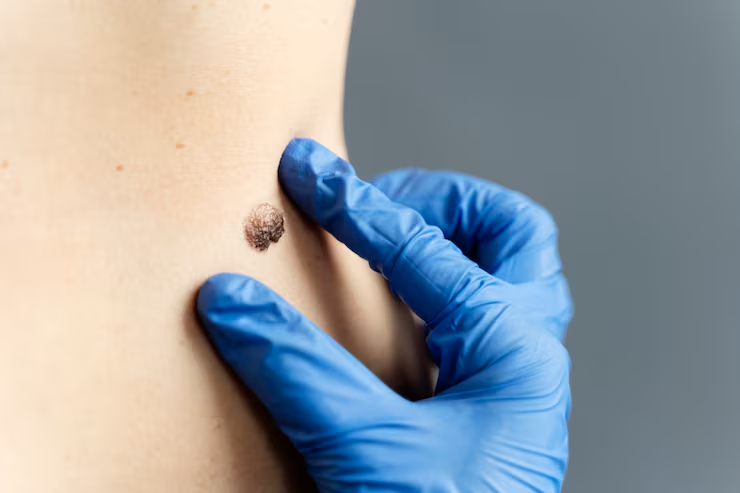
Most people have moles somewhere on their bodies. A small one on the arm. One near the shoulder. Maybe one that has been there since childhood. Because they become familiar, they are easy to ignore. Years pass without giving them much thought. Then one day, something feels different. The shape appears uneven. The color seems darker than before. Perhaps it starts itching for no obvious reason. That is often the moment when people begin to wonder whether they should have paid closer attention earlier.
Many individuals delay booking an appointment because they assume that changes are normal. Sometimes they are. Sometimes they are not. Searching for mole removal near me is not always about appearance. It can also be about reassurance. A professional assessment helps people determine whether a mole is harmless or warrants further investigation. Waiting indefinitely rarely brings clarity. It usually brings more uncertainty.
Clinics that regularly assess skin concerns often notice a similar pattern. People arrive wishing they had come sooner. At Define Clinic, consultations frequently begin with simple observations that patients almost dismiss. A mole that became raised. One that changed color gradually. Another that started catching on clothing. Most skin changes turn out to be manageable. But understanding what is happening beneath the surface requires expertise rather than assumptions.
Moles naturally vary in size and color. Some are flat. Others are slightly raised. That alone is not necessarily a reason for concern.
What deserves attention is change.
A mole that suddenly becomes asymmetrical. Irregular borders. Multiple shades appear within the same area. Growth over a relatively short period. These developments do not automatically indicate a serious issue. They simply suggest that professional advice may be worthwhile.
People often rely on memory when monitoring skin changes. That approach has limitations. Gradual differences are easy to miss when you see the same mole every day.
Not every appointment begins because of appearance.
Some moles become physically bothersome. They rub against jewelry. They catch while shaving. Clothing creates repeated irritation. Even sleeping positions may cause discomfort if the mole is located in an awkward area.
Small annoyances have a way of becoming larger ones.
People adapt. They avoid certain necklines. They shave more carefully. They change habits without fully realizing it. Seeking advice can help determine whether removal would improve comfort and quality of life.
Family experiences often shape health choices.
Individuals with relatives who have experienced skin-related conditions may feel more cautious when noticing new or changing moles. This awareness is understandable. It encourages proactive thinking rather than reactive decision-making.
That does not mean every mole requires removal.
It means personal history deserves consideration during professional discussions. Context matters. What seems insignificant in one situation may warrant closer observation in another.
Some people seek treatment because a mole affects their confidence.
That reason should not be dismissed.
Facial moles. Prominent neck moles. Visible areas that attract unwanted attention. These concerns can influence how individuals feel about photographs, social situations, or everyday interactions.
Confidence is not superficial.
Feeling comfortable in your appearance contributes to overall wellbeing. Exploring available options allows people to make informed decisions based on both practical and personal factors.
Internet searches provide information.
They rarely provide certainty.
Online photos don’t capture the individual situation. Often, advice from friends is based on good intentions and not clinical knowledge. Self-diagnosis leads to unnecessary worry.
Professional assessments are something different.
Questions are answered clearly. Treatment options can be discussed openly. Monitoring may be recommended in some situations. In some others, removal may be warranted. Knowing why these decisions were made can help individuals take steps forward with more confidence.
Sometimes, the best way to reduce stress is to delay action.
People tend to put off appointments when life gets busy.
Work responsibilities. Family commitments. Travel plans.
The purpose is typically to make plans for the future.
However, unanswered questions tend to fill the mind. Each mirror look is a reminder. Each minor adjustment brings new doubts. The emotional toll can slowly add up over time.
Don’t assume the worst when seeking professional advice.
It means to opt for clarity rather than speculation.
The majority of moles are harmless and do not cause any problems during their lifetime. Many do not need treatment at all.
However, awareness is still key.
Changes in appearance. Persistent irritation. Personal discomfort. Family history. All of these are reasons to get professional advice. Early discussions can give reassurance. If intervention is warranted, addressing concerns in a timely manner may be easier.
Often, people look back wishing they had listened earlier.
Not because of anything serious that happened.
Because uncertainty extended beyond what it should have.
It can be tiring to deal with the uncertainty of skin changes. It’s not a bad idea to keep an eye on a mole from time to time. It’s not the same if you don’t notice and don’t act on any changes.
Professional evaluations help distinguish between assumptions and understanding. From appearance to comfort to peace of mind, asking for advice gives people the opportunity to make informed decisions based on expert guidance rather than guesswork.
Sometimes, reassurance is the result.
In some cases, treatment is suggested.
In any case, it’s better to know than to wonder.