Newsletter Subscribe
Enter your email address below and subscribe to our newsletter
Enter your email address below and subscribe to our newsletter

 ByJohn A
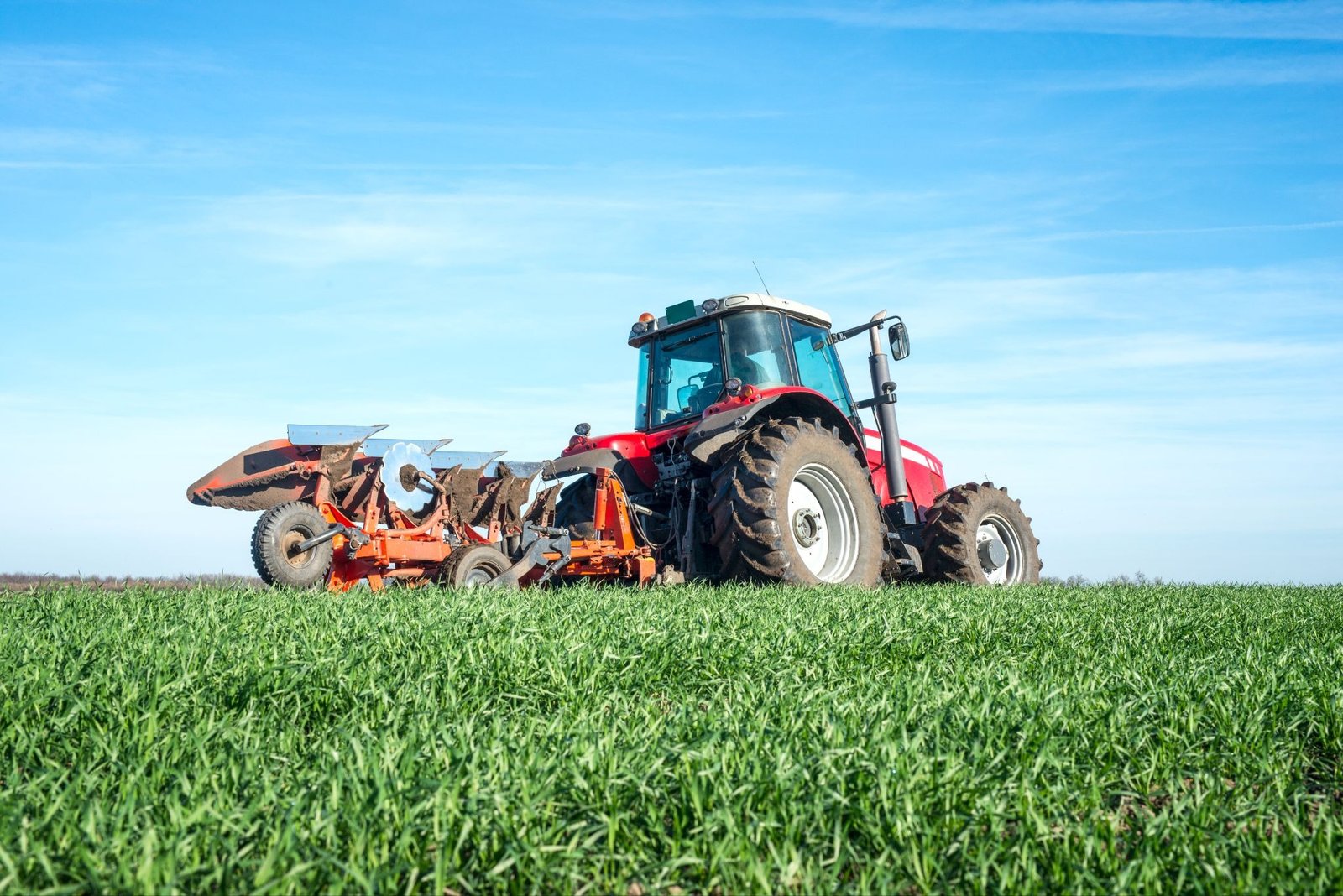
A tractor is one of the most useful machines on many farms, but its versatility depends heavily on what accessories can be attached to it. The tractor supplies the power and mobility, while different attachments allow it to perform a much wider range of jobs throughout the farming property.
This flexibility can be especially valuable when considering farm machinery in Northern Ontario properties required throughout the year. Farming and rural property maintenance can involve vegetation management, moving materials, maintaining land and dealing with winter conditions. Instead of having a separate machine for every task, suitable attachments can help a tractor take on several different roles.
Choosing those attachments carefully can make everyday farm work more efficient while helping owners get more practical use from equipment they already have.
It can be tempting to select an attachment because it looks useful without first considering how often it will actually be needed.
A better starting point is to list the regular jobs performed around the property. These might include moving soil and materials, maintaining fields, clearing vegetation, managing livestock areas, working around fencing or dealing with snow.
The frequency of each task matters as well. An attachment used every week has a different value from one required only once or twice a year.
Looking at actual workloads helps farmers build an attachment collection around genuine requirements rather than simply accumulating equipment.
See also: Automatic Driving Lessons in Glasgow for Building Skills That Stay with You after the driving Test
Moving materials is a routine part of many agricultural and rural properties. Soil, gravel, feed, manure and other materials may need to be transported from one part of the property to another.
Suitable tractor attachments can make these jobs considerably easier than relying entirely on manual handling.
The appropriate attachment depends on what is being moved, the quantity involved and the tractor being used. Equipment intended for loose materials may differ from what is needed for heavier or more specialised loads.
Matching the attachment to the task helps make the tractor more useful across a variety of everyday property-management activities.
Farm properties require regular maintenance even when land is not being actively prepared for crops.
Grass, weeds, brush and other vegetation can grow quickly and may need periodic management. Maintaining lanes, field edges and less frequently used parts of a property can also become time-consuming without suitable equipment.
A tractor equipped with an appropriate attachment can support many of these jobs while allowing the same power unit to be used elsewhere once the task is finished.
This ability to switch between jobs is one of the main reasons attachments can add so much versatility to existing farm machinery in Northern Ontario.
Farm workloads change throughout the year.
During warmer months, attention may focus on land, livestock areas, fencing, gardens and general property maintenance. When winter arrives, priorities can shift towards keeping important areas accessible and managing accumulated snow.
Equipment designed for Canadian conditions needs to account for these seasonal changes. Farm equipment available for the region includes categories covering tractor attachments as well as dedicated snow equipment, reflecting the range of jobs rural properties may encounter throughout the year.
Using compatible attachments for different seasons can extend the usefulness of a tractor beyond a single period of the farming calendar.
Winter deserves particular attention when selecting machinery for Northern Ontario.
Snow can affect driveways, farm lanes, access to buildings and areas used for everyday agricultural work. Having appropriate equipment available before winter arrives can make property management more practical when conditions change.
For farms that already operate a suitable tractor, compatible snow-management equipment may allow that machine to remain useful during months when some traditional agricultural tasks slow down.
The key is to plan winter requirements early rather than waiting until heavy snow makes access difficult.
Purchasing a separate powered machine for every farm task may not be practical.
Each additional machine can require storage, maintenance and its own financial investment. When a tractor can perform several jobs by changing attachments, the farm may be able to make greater use of one primary machine.
This does not mean attachments can replace every type of specialised equipment. Some jobs genuinely require purpose-built machinery.
However, for tasks compatible with the tractor’s capabilities, attachments can provide a practical way to expand what existing equipment can accomplish without adding another engine-powered machine for every application.
An attachment is useful only when it is suitable for the machine operating it.
Farmers should therefore check the tractor model and attachment requirements carefully before purchasing. The equipment supplier’s own quote process, for example, specifically asks for the machine model when someone is seeking an attachment, demonstrating the importance of matching equipment correctly.
Depending on the attachment, considerations may include physical connection points and hydraulic or electrical requirements.
Assuming that an attachment will work simply because it is intended for tractors can lead to problems. Compatibility should always be confirmed for the particular machine and configuration.
Some attachments are relatively straightforward, while others rely on additional systems to function.
Hydraulic connections may be required to control moving components, while other equipment can involve electrical connections or harnesses. The supplied equipment information specifically refers to attachment installation involving harnesses, electrical systems and hydraulic hookups.
These requirements should be considered before purchasing rather than discovered during installation.
Correct assembly, connection and inspection also help ensure the attachment is prepared to operate as intended. Farmers who are unfamiliar with a particular installation should refer to the equipment instructions or seek appropriate assistance.
The same attachment is not automatically suitable for every farm.
A smaller property may benefit from compact, manoeuvrable equipment that can work comfortably around buildings, fencing and narrow areas. Larger properties may place greater emphasis on covering more ground efficiently.
Terrain matters too. Uneven land, wooded areas, open fields and maintained yards all create different operating conditions.
Before selecting an attachment, it helps to consider where it will actually be used. The most useful equipment is not necessarily the largest or most powerful option, but the one suited to the tractor, terrain and workload.
Frequency of use can help determine whether equipment should be purchased.
If an attachment performs a task that occurs regularly throughout the season, owning it can provide convenient access whenever the job needs to be completed. There is no need to arrange equipment each time or fit the work around short-term availability.
Regularly used equipment can therefore become part of the farm’s normal machinery setup.
Before purchasing, farmers should consider expected usage, available storage, maintenance requirements and whether the attachment is likely to remain useful as the property or agricultural operation changes.
Not every useful attachment or piece of equipment needs to be owned.
Some jobs occur infrequently enough that renting can be more practical. The supplied equipment information identifies rental as an option for different farm sizes and activities and notes that rental equipment is inspected and serviced between uses.
Renting may make sense for a short-term project or a specialised task that is unlikely to be repeated regularly.
It can also help prevent farms from filling storage areas with machinery that spends most of the year unused. The decision between buying and renting should therefore be based largely on how often the equipment will realistically be required.
Versatility also depends on reliability.
An attachment that has been left outside without appropriate care or stored without inspection may not be ready when the next season arrives. Regular maintenance should therefore form part of attachment ownership.
The exact requirements depend on the equipment, so manufacturer instructions should always guide servicing and maintenance.
Access to replacement and repair parts is another practical consideration when choosing equipment intended for long-term use. The supplied site notes that repair and replacement parts can be ordered across its equipment offering.
Keeping attachments maintained helps preserve their usefulness across different jobs and seasons.
Farmers do not necessarily need every possible tractor attachment at once.
A more practical approach is to begin with equipment that addresses the most frequent or time-consuming jobs. Once those needs are covered, additional attachments can be considered according to seasonal workloads and changing farm requirements.
For example, a farm may initially prioritise material handling and vegetation management before later adding equipment for winter or occasional property projects.
This gradual approach helps ensure each purchase has a clear purpose and contributes meaningfully to the overall equipment setup.
The right tractor attachments can turn one machine into a much more adaptable part of a farm operation. By changing attachments, the same tractor may support material handling, land maintenance, vegetation management, seasonal work and other property tasks.
For those evaluating farm machinery in Northern Ontario conditions make versatility particularly valuable because workloads can change significantly between summer and winter. However, usefulness depends on selecting attachments that match the tractor, property, terrain and actual frequency of use.
Compatibility, installation requirements, maintenance and the choice between buying and renting should all be considered before adding equipment. By building an attachment collection around real farm tasks, owners can make better use of their tractors while creating a machinery setup that remains useful throughout the year.